
Pixel 11 Pro review: the camera phone goes fully computational
Marta Silva•Aug 14•12 min read
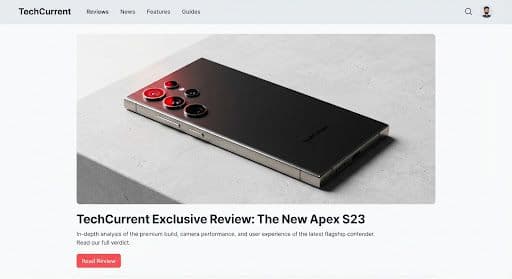
Google's tensor-first flagship shoots in the dark like it's noon. That much was clear within hours of the announcement. What is less clear — and what the industry will spend the next several quarters figuring out — is who actually benefits.
The short version: the economics have shifted faster than the institutions built on top of them. Three sources familiar with the roadmap told TechCurrent that internal targets were pulled forward twice this year, an acceleration one executive described as "uncomfortable but unavoidable."
“Google's tensor-first flagship shoots in the dark like it's noon.”
The history here matters. Every previous cycle in consumer hardware followed the same arc — a research breakthrough, a scramble to productize, a shakeout that rewarded distribution over invention. There is little reason to expect this one to be different, and every reason to expect it to be faster.
Rivals are not standing still. Within a week of the news, two competing teams shipped their own responses, and a third published benchmarks disputing the headline claims. The disputes are technical, but the stakes are not: analysts put the addressable market north of $40 billion by 2028.
The open question is trust. Users have been burned before by launches that promised autonomy and delivered liability. The companies that win this cycle will be the ones that treat reliability as the product — not a footnote in the changelog.
Reviewed by Marta Silva · TechCurrent